

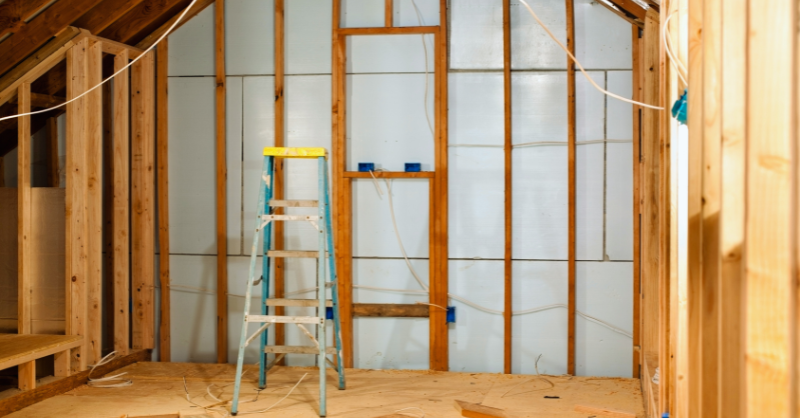
That extra bedroom, sunroom, or garage conversion might look like a great bonus when touring a property—but if it was built without the proper permits, it could become a legal and financial liability.
Unpermitted work is surprisingly common in Florida, particularly in older homes and investment properties. It can cause serious issues during closing or even years after you’ve moved in.
What Is Considered Unpermitted Work?
Unpermitted work refers to improvements or additions made to a property without the proper approval from local building departments. Common examples include:
- Room additions
- Enclosed patios or lanais
- Converted garages or carports
- Additional bathrooms
- Structural modifications
- Electrical or plumbing upgrades
Why Does It Matter?
- Legal Compliance: Florida law requires most structural, electrical, and plumbing work to be permitted and inspected and the work to be done by a licensed contractor.
- Code Violations: Unpermitted additions may violate setback requirements, fire codes, or energy standards.
- Safety Concerns: If the work wasn’t inspected, there’s no guarantee it was done properly.
- Insurance Issues: Insurance companies may deny coverage or claims if damage stems from unpermitted areas.
- Financing Problems: Lenders may not include additions when appraising properties with additions not reflected in public records or appraisals.
- Lower Resale Value: Future buyers may hesitate or request steep discounts.
How to Identify Unpermitted Work Before Closing
- Compare the MLS listing with county property records (square footage discrepancies are a red flag)
- Request the seller’s permit history
- Hire an experienced inspector to spot signs of noncompliance
- Ask the local building department for permit records using the property’s address
What Are Your Options If You Discover Unpermitted Work?
For Buyers:
- Negotiate Repairs or Permitting: Ask the seller to retroactively permit the work or provide financial concessions.
- Purchase “As-Is” with Risk Disclosure: Accept the risk, but document it thoroughly and budget for possible remediation.
- Walk Away: If the risks outweigh the reward, your contract may allow you to cancel.
For Sellers:
- Disclose Honestly: Florida law requires disclosure of known defects or code violations.
- Retroactively Permit the Work: This may involve opening walls, inspections, and fees—but can salvage the deal.
- Sell As-Is: Be upfront with buyers and price accordingly.
Can You Get a Permit After the Fact?
In many Florida counties, yes. The process typically involves:
- Submitting detailed construction plans
- Paying penalty and permit fees
- Opening up areas for inspection
- If required, making required upgrades to meet current code
It can be expensive and time-consuming—but often cheaper than a deal falling through or a buyer suing after closing.
Legal Recourse for Buyers
If a seller failed to disclose known unpermitted work and it causes you financial harm, you may be able to sue for:
- Breach of contract
- Misrepresentation
- Specific performance (in rare cases)
However, proving the seller knew can be difficult—especially if the work was done by a previous owner.
Strang Tryson’s Take
We always advise buyers to do thorough diligence before closing. Our firm reviews inspection reports, disclosure forms, and permit records to flag hidden risks early. If unpermitted work is discovered late in the process, we negotiate fair outcomes—or help you walk away with your deposit protected.
Unpermitted additions don’t have to kill a deal—but they do need to be addressed strategically and legally.