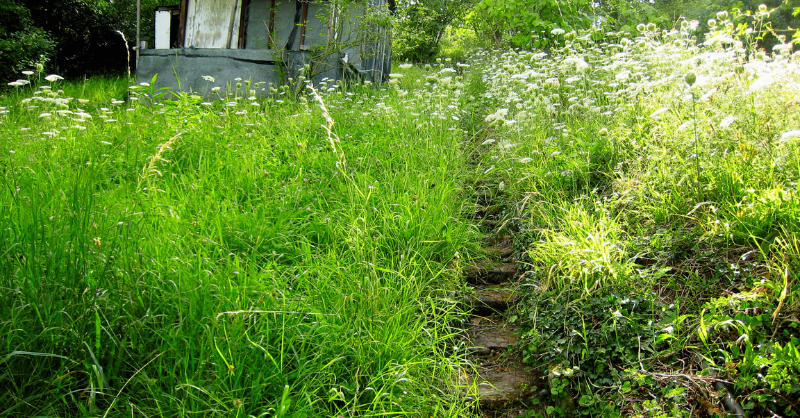
If you live in a Florida homeowners’ association (HOA), you’ve likely seen fines issued for everything from overgrown lawns to parking violations. But just because your HOA has rules doesn’t mean it can fine you for anything—and not all fines are enforceable.
At Strang Tryson, we advise both homeowners and HOA boards on how to issue, enforce, or contest fines within the boundaries of Florida law.
The Legal Basis for HOA Fines
Florida’s Homeowners’ Association Act (Chapter 720) allows HOAs to impose reasonable fines for violations of governing documents, such as:
- Declaration of Covenants
- Bylaws
- Architectural guidelines
- Official HOA rules and regulations
However, this power comes with strict procedural requirements.
Some of the Items that HOAs Can Fine For Are
- Exterior maintenance violations (peeling paint, unkempt landscaping)
- Parking in prohibited areas
- Improper trash disposal or bulk item placement
- Pet violations (excessive barking, unapproved breeds, leash infractions)
- Unapproved architectural changes (new fences, paint colors, patio enclosures)
- Noise disturbances
- Rental violations (short-term rentals, subleasing without approval)
What HOAs Can’t Fine For
- Rules not properly adopted (they must be formally passed and published)
- Unwritten or selectively enforced rules
- Activities not covered by any official document
- Minor, temporary issues without notice
- Selective enforcement based on personal bias
Fine Limits Under Florida Law
- Max $100 per violation, per day
- Max $1,000 total per violation unless your governing documents provide otherwise
- Can lien a property based solely on unpaid fines if the amount exceeds $1,000, and the HOA may suspend the right to use the amenities and/or the owner’s voting rights)
The Proper Procedure for Issuing a Fine
- Notice of Violation: Homeowner must receive written notice of the violation and proposed fine.
- 14-Day Hearing Notice: The homeowner is entitled to a hearing before an independent committee (not the board).
- Opportunity to Be Heard: The owner can present their case.
- Committee Approval: The fine must be approved by a majority vote of the committee.
If the committee rejects the fine, it cannot be imposed.
How Homeowners Can Challenge HOA Fines
- Request documents: Ask for the specific rule you allegedly violated.
- Attend the hearing: Present your case, especially if the violation was minor, corrected, or unclear.
- Review due process: If proper notice or procedures weren’t followed, the fine is unenforceable.
- Seek mediation or legal counsel: For repeated or excessive fines, legal action may be warranted.
Common HOA Fine Mistakes We See
- Boards issuing fines without a hearing
- Fining based on unwritten or vague rules
- Unequal enforcement between owners
- Threatening liens over fines (only assessments are lienable)
Strang Tryson’s Take
Fines are intended to maintain community standards—not punish residents arbitrarily. HOA boards must follow proper procedure, and homeowners have the right to fair notice and due process.
Our firm represents both sides of the table:
- For boards, we draft compliant fine policies and hearing procedures.
- For owners, we defend against improperly issued or excessive fines.
If you’re in a dispute over HOA fines, don’t let it escalate unnecessarily. Legal clarity can bring resolution—and restore harmony—to your community.